Your concern is valid. Sharing a space with people you've just met raises real questions about security, privacy, and trust. This guide explains why condo coliving is different — backed by Singapore's strict safety infrastructure, professional security screening, and verified tenant vetting.
Let's start with the obvious: Singapore is one of the safest countries in the world. Crime rates are among the lowest globally. Streets are well-lit, police response is immediate, and the rule of law is strict. Women travel alone at night without fear. That's the baseline.
But we understand your concern. Living with strangers in a shared space is different from navigating public streets. You need more than just street safety — you need screened housemates, secure locks, clear boundaries, and responsive support. That's where professional condo coliving differs.
Singapore's crime statistics speak for themselves. Violent crime is rare. Sexual assault is taken extremely seriously under Singapore law. The police force is accessible and responsive.
Well-lit public spaces. Singapore's streets, MRT stations, and neighbourhoods are brightly lit 24/7. You can walk alone safely at night. Curfew is not a concern.
Strict laws and enforcement. Singapore's legal system is uncompromising. Laws are enforced consistently. False accusations have consequences. Real crimes are investigated thoroughly.
Cultural respect for boundaries. Singapore's multi-cultural society emphasizes respect, privacy, and personal space. Harassment is socially unacceptable and legally punishable.
Singapore the city is safe. But coliving depends on one thing: who your housemates are. That's why professional screening matters more than the city's crime statistics.
Here's the critical distinction. When you think of coliving, you might imagine a typical shared HDB flat where random people come and go. That's not what we're talking about. Professional condo coliving operates under a completely different security model.
Every Colivs room is located in a quality condominium with professional security infrastructure. Think of it as managed student housing, not a cheap shared flat. The building has standards, rules, and gatekeeping.
24-hour security guards — Every Colivs property has manned security. The guard checks who enters and exits. Residents use access cards. Visitors are logged. Unauthorized access is prevented.
CCTV surveillance in common areas — Lobbies, lift lobbies, corridors, parking areas, and poolside are monitored. All footage is retained. Incidents can be reviewed.
Access card entry system — You use an access card to enter the building and your unit. Cards are deactivated if a resident leaves. No random keys. No copies floating around.
Gated compound perimeter — The entire condo is enclosed. There's a main gate. You can't wander in from the street. It's a closed, controlled environment.
Secure locks on your bedroom door — Your private room has a quality lock. You control who enters your space. It's your private domain.
Professional property management — A dedicated manager oversees the building. They enforce house rules, handle complaints, and address issues immediately. If someone violates the rules, they're removed.
A shared HDB flat in a public housing block has none of this. Anyone can slip in. Access is open. There's minimal oversight. Professional condo coliving is a managed property with standards and enforcement.
Professional screening is where condo coliving becomes truly safe. We don't just take anyone. Every resident is vetted. Every tenant signed a clear agreement. The property manager has enforcement authority.
The result: Colivs properties attract working women, expats, and students — people with stability, boundaries, and respect for shared space. This is fundamentally different from random shared flats where anyone can live.
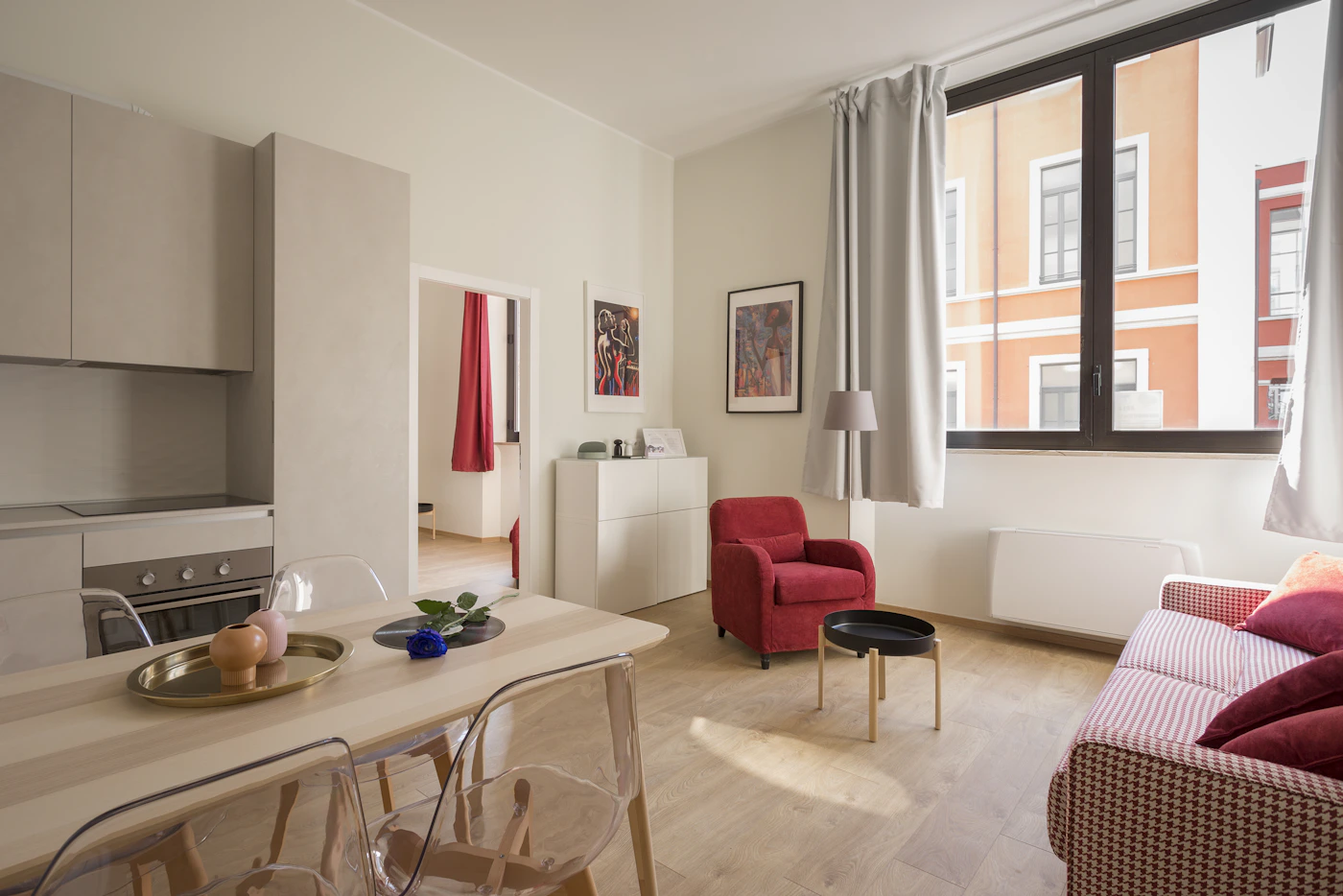
Not all coliving is created equal. If you're considering shared housing, use this checklist. Don't settle for less.
24-hour security guards, not just a gate. Manned security is non-negotiable. A gate alone doesn't prevent problems. You need eyes on the building.
Option for female housemates. If you want all-female room assignments, ask if the property offers this. Some properties do; some don't. It's a reasonable request.
Private bedroom with a secure lock. A master bedroom with an ensuite bathroom is ideal. Not a common room with strangers. And not a flimsy lock — a quality, keyed lock that you control.
Well-maintained common areas. If the building is rundown, the management is weak. Cleanliness and upkeep signal that the operator cares about standards.
Transparent tenant screening. Ask how residents are selected. Do they verify employment? Do they check references? Are there background checks? A good operator will explain their process.
Clear house rules and enforcement. Request a copy of the house rules. Are quiet hours enforced? What's the policy on guests? What happens if someone violates rules? Enforcement is the key.
Responsive management and support. Can you reach the property manager via WhatsApp or phone? Do they respond within 48 hours? Can you escalate complaints? Responsive support matters when you need it.
Live video tours before committing. Never sign a lease without seeing the room and meeting management. A professional operator will offer video tours. If they won't, that's a red flag.
Resident reviews and testimonials. Search online reviews or ask to speak with current residents. Real feedback from other women is invaluable.
After reviewing the security infrastructure, take the video tour and talk to the property manager. Do you feel respected? Do they take your concerns seriously? Do you feel heard? Trust that instinct.
Let's address the fears directly. These are legitimate questions. Here are real answers.
First, professional screening reduces this risk significantly. But if it happens: you have support. Message the property manager on WhatsApp with specific examples (loud music, inappropriate comments, boundary violations). The manager will investigate and enforce house rules. If the resident is genuinely problematic, they're asked to leave. The property manager's job is to protect your comfort.
Your bedroom door has a secure lock that only you control. Common areas and other rooms require respect for boundaries — and that's backed by house rules. If someone violates this, it's a serious breach. The property manager will take it as such. CCTV will show what happened. The person will be removed. You have recourse.
This depends on the room type. Colivs common rooms have shared facilities, but they're clearly scheduled. Master bedrooms have private ensuites — no sharing. If privacy is essential, choose a master bedroom. Clear boundaries are set in house rules (no guests in common areas after 10 PM, etc.).
Singapore's streets are safe and well-lit. The MRT runs until 1 AM. Security guards are on duty 24/7 at your condo. You can call the building guard if you need an escort from the gate. Grab rides are affordable (S$8–15). You're never genuinely at risk navigating the city. And when you arrive home, you're entering a secure, managed building — not an open shared flat.
Singapore's police are accessible and take crimes seriously. If you experience harassment, assault, or a violation of your space: report it immediately to the property manager and police. The building has CCTV evidence. The manager will cooperate. Singapore's legal system will investigate. This is not a situation where you're left alone. You have institutional support.
Professional coliving means you're not left to sort problems yourself. A property manager acts as a mediator, enforcer, and advocate for your safety. This is different from informal shared housing where conflict is your problem to solve.
You deserve housing that doesn't compromise your safety or peace of mind. Colivs is designed by women, for women who want to live independently without fear. Professional security. Screened neighbours. Responsive support. That's the baseline.