Arriving in a new country feels overwhelming. SIM cards, transport systems, visa regulations, healthcare, housing — there's so much to arrange in so little time. This checklist breaks it down week by week, so nothing falls through the cracks.
The week before you board the plane is critical. You'll land at Changi Airport with limited options — so arrange these in advance. Don't show up and scramble.
Book temporary accommodation — At least 2–4 weeks. A furnished coliving room is ideal: you land and move straight in, no hotel checkout stress. All utilities included, explore at your pace.
Order a SIM card before arrival — Book through your airline, hotel, or a local provider online. Activate it at Changi before you leave the airport. You'll have local data and can call a Grab immediately.
Download Grab and Google Maps — Grab is Singapore's Uber. Download it now (you'll activate it with your new SIM). Google Maps works offline — download the Singapore area map.
Arrange transport from the airport — Book a Grab ride in advance (once SIM is active) or arrange with your accommodation. Changi is 17km from central Singapore. A Grab is S$15–25. Cheaper and faster than a taxi.
Research an EZ-Link card or NETS card — These are rechargeable transport cards for MRT/bus. You'll buy one at the airport and top it up. Essential for daily commute.
Set up WhatsApp and enable international messaging — WhatsApp is how Singapore communicates. Even your landlord will message you on WhatsApp, not email.
Check your visa requirements — Singapore has different visas: EP (Employment Pass), PEP (Personalised Employment Pass), Visit Pass, Student Pass, etc. Ensure your documents are in order before landing.
A furnished coliving room is the smart move. You don't need to shop for furniture, negotiate with landlords, or sign a 2-year lease when you've only been here 3 days. Explore for 4–8 weeks, find the neighbourhood you love, then look for permanent housing. Many Colivs residents do exactly this.
Your first week is about comfort and orientation. Get settled, learn the transport system, and familiarize yourself with daily essentials.
Unpack essentials and rest — Sleep off jet lag. Unpack toiletries, medications, documents. You'll need your passport for everything in Singapore.
Activate and top-up your EZ-Link card — Visit any convenience store (7-Eleven, FairPrice). Top up with S$10–20. You're now ready for MRT and buses.
Walk your neighbourhood on foot — Find the nearest MRT station, wet market, supermarket, and coffee shop. Download a map offline. See what's walkable from your room.
Explore the MRT system — Buy a map (free at stations) or use Google Maps offline. The MRT is safe, clean, efficient. Trains run 5:30 AM–1 AM. Cards tap in/out automatically.
Try a local hawker centre for lunch — Hawker centres are Singapore's street food courts. Cheap, delicious, and authentically local. Order at individual stalls, eat at communal tables. Cost: S$3–8 per meal.
Visit a FairPrice supermarket — Singapore's biggest grocery chain. Stock your room with basics: instant noodles, coffee, snacks. Prices are reasonable.
Test your internet at your accommodation — Confirm wifi works, speeds are acceptable. If not, report it immediately to your landlord/operator. Internet is essential.
If you're in a Colivs room, use the common areas to meet other residents. Most coliving buildings have lounges, kitchens, and social events. You'll make friends faster and feel less alone.
By week 2, you're past the panic phase. Now it's about building routines and handling admin tasks that'll smooth out your stay.
Find a gym, yoga studio, or sports facility — If you're in a Colivs condo, you have free pool and gym access. If not, explore nearby options. Fitness is great for mental health in a new city.
Register at the nearest polyclinic — Polyclinics are government health clinics. Visit in person with your passport and proof of residence (rental agreement). You'll get a patient card. Costs: S$10–20 per visit.
Understand HDB vs condo neighbourhoods — Singapore has public HDB flats (40% of population) and private condos. HDB areas are cheaper, more local, family-oriented. Condo areas are more cosmopolitan, expensive. Both have pros.
Set up utilities (electricity, water, gas) — If you're in coliving, this is handled. If you're in a private rental, contact SP Services (electricity), PUB (water), or your landlord. Usually takes 1–2 weeks.
Open a local bank account — Take passport, work permit, proof of address (rental letter). DBS, OCBC, UOB are the big three. You'll need this for salary, bills, tax. Takes 1–2 hours.
Find your regular coffee shop — Every Singapore neighbourhood has kopitiam (traditional coffee shops). Find one you like. It becomes your "third space" and you'll meet regulars.
Scout 2–3 permanent housing neighbourhoods — Visit areas you might want to live long-term: City Centre, East Coast, Tiong Bahru, Bukit Timah. Take notes on what you like/dislike. You'll make a better decision after seeing each area.
With a flexible coliving lease (3-month minimum, no agent fees), you can afford to spend 6–8 weeks exploring before committing to a permanent place. This beats signing a 2-year lease on day 5 when you haven't a clue where you want to live.
Most expats make the same housing mistake: they panic, sign a 2-year lease with an unknown neighbourhood, and regret it by month 4. Here's the better path.
Colivs rooms start at S$800/month. Fully furnished common rooms and master bedrooms. All-inclusive: wifi, utilities, condo facilities (pool, gym, 24-hour security). No agent fees. No long-term lock-in. Available in 13 neighbourhoods across Singapore.
By week 3, you've covered all the panic tasks. Now it's about building a life: friends, routines, confidence. You're not a tourist anymore.
Join expat or interest-based groups — InterNations, Facebook Expat groups, Meetup.com, Couchsurfing events. Singapore's expat community is active. You'll find your people quickly.
Understand food culture and dining norms — Hawker centres are the daily norm, not a novelty. Learn to queue, order properly ("kopi-o" = black coffee, "teh tarik" = pulled milk tea). Tipping isn't expected. Cash is still king at hawkers.
Get comfortable on public transport — By week 3, you should navigate MRT and buses confidently. Apps like Citymapper help. Peak hours (7:30–9 AM, 5–7 PM) are packed but efficient.
Learn workplace norms if you're working — Singapore's culture is formal, respect-based, hierarchy-conscious. Punctuality is non-negotiable. Small talk happens, but business is business.
Visit a shopping mall (Orchard, Marina Bay, Tampines) — Malls are Singapore's social hubs. Find your go-to place. They're air-conditioned, safe, and everywhere.
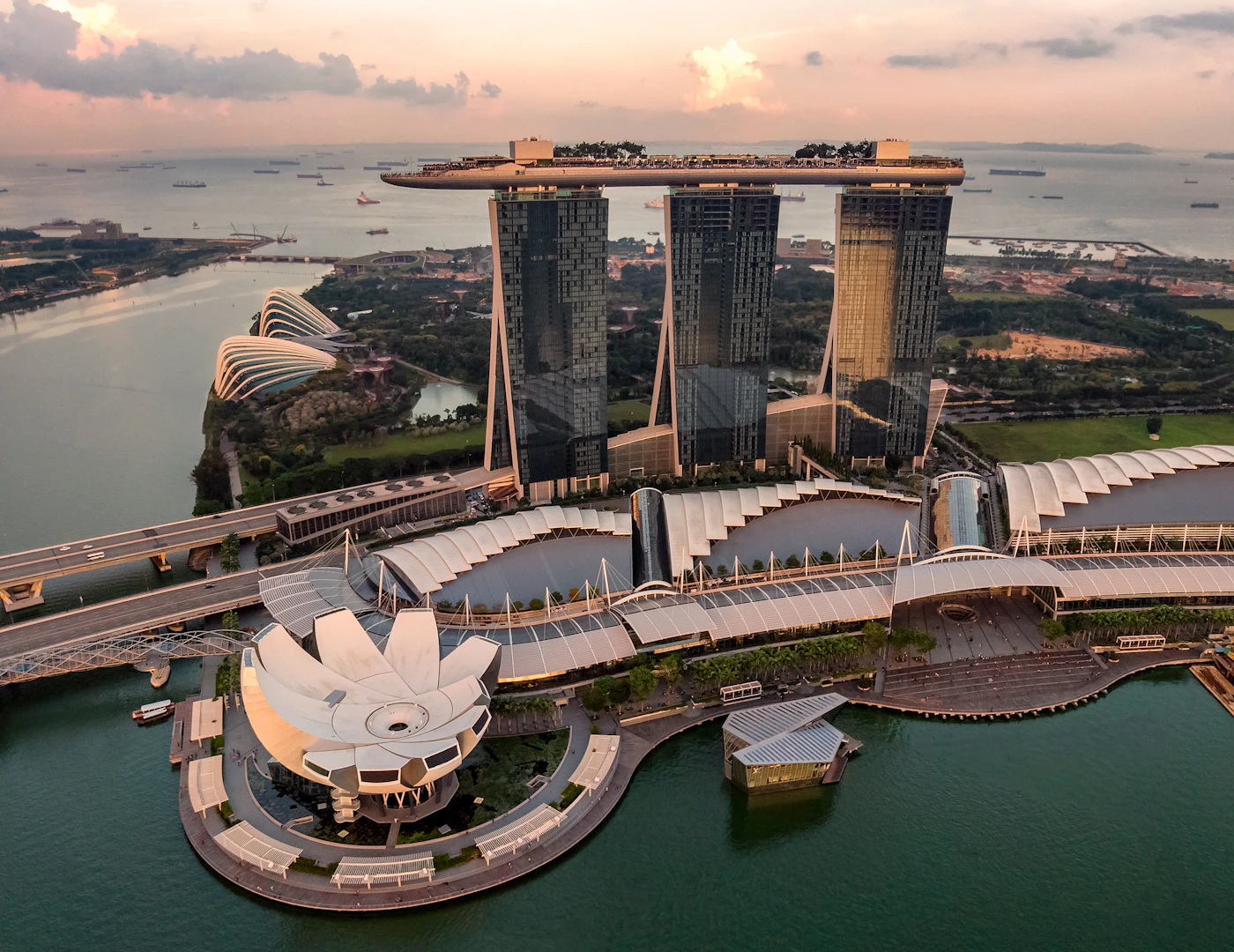
Try weekend activities unique to Singapore — Botanic Gardens, Marina Bay Sands observation deck, Sentosa Island, Gardens by the Bay. Weekend exploration = slower pace, you'll enjoy it more.
Start looking at permanent housing seriously — By week 3–4, you know what you want. Check PropertyGuru, 99.co, Ohmyhome for rent listings. Visit shortlisted apartments. Take your time.
Most Colivs buildings host monthly social events: movie nights, board game evenings, cooking sessions. Attending is the fastest way to make friends. You're not alone; other residents are in the exact same boat.
Join hundreds of expats who've landed in Singapore and moved straight into a Colivs room. Explore your pace, meet your community, find your neighbourhood. No pressure, no long-term lock-in.